

Research involves reading many papers, highlighting key points, and keeping notes organized for future use. Without the right system, ideas can easily get lost across documents, notebooks, and files.
This is where Avidnote becomes useful. It is a research-focused note-taking tool designed specifically for students, researchers, and academics who work with academic papers and structured notes.
Unlike general note apps, Avidnote focuses on helping users read, annotate, and summarize research papers in a clear and organized way.
What Is Avidnote?
Avidnote is a web-based research note-taking platform created to support academic workflows. It allows users to upload research papers, highlight important sections, add notes, and organize everything by topics or projects.
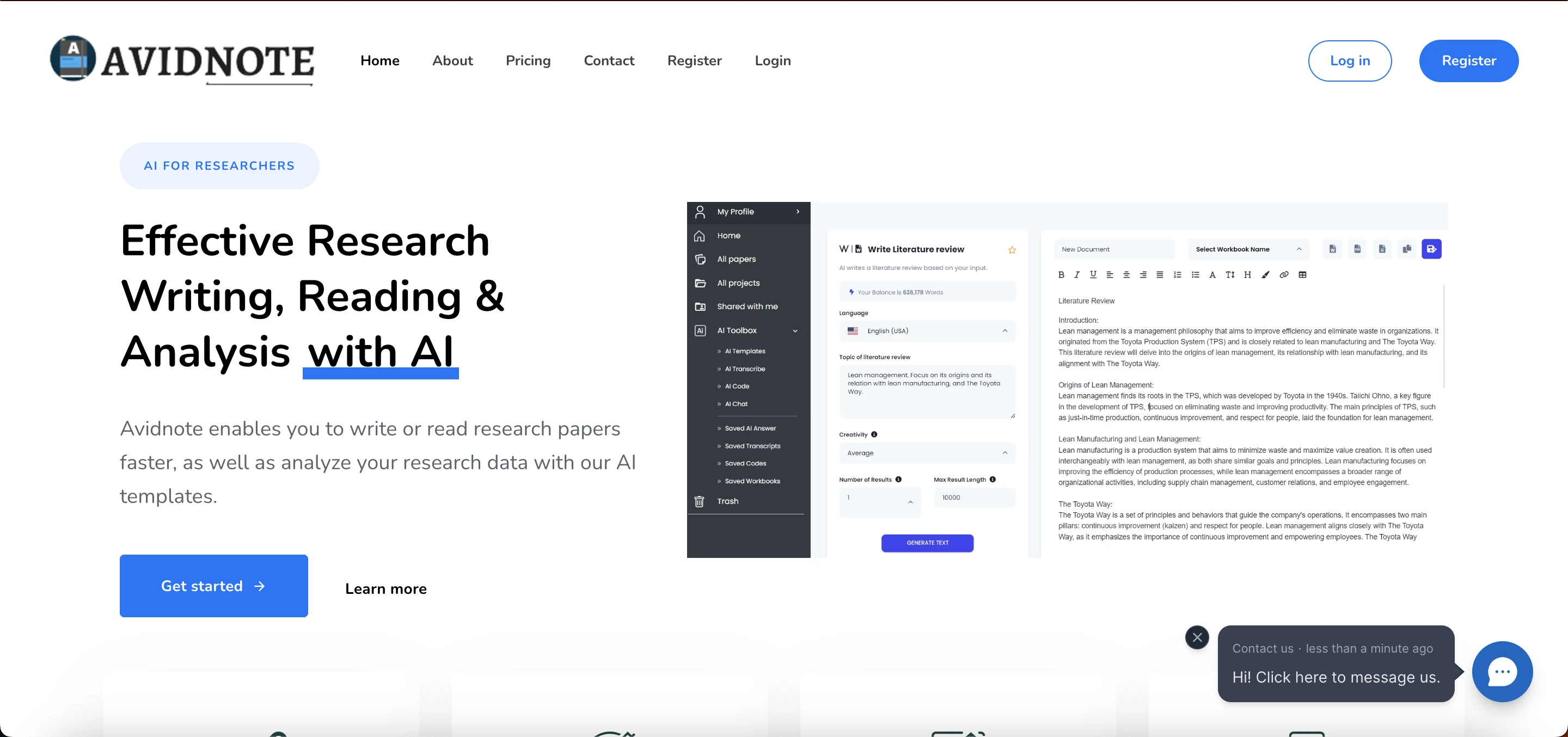 Instead of switching between PDF readers, word documents, and notebooks, It keeps research notes and annotations in one place. It is especially useful for people who work with many journal articles and need a structured way to track ideas, quotes, and references.
It does not try to replace full reference managers. Instead, it focuses on reading, thinking, and note-making, which are core parts of the research process.
Why Researchers Choose Avidnote
Many note-taking tools focus on general productivity, but researchers require features that support deep reading and academic writing.
Avidnote meets this need by offering tools tailored to research habits. It is specifically designed for academic reading, keeps notes connected to the source text, makes it easier to revisit research ideas later, and provides a simple, focused interface.
These features make Avidnote particularly suitable for long research projects, including theses, dissertations, and literature reviews.
Read Also: Blaze AI Review 2025: Features, Pricing, Pros & Cons
Key Features
1. PDF Annotation and Highlighting
Avidnote allows users to upload academic papers and read them directly within the platform. You can highlight important passages and attach notes to specific sections of the text. This helps preserve context and makes it easier to understand why a passage was important later.
Instead of copying text into a separate document, annotations remain linked to the original paper.
2. Structured Note-Taking
Notes in Avidnote are not just plain text. They can be organized by topic, project, or research question. This structure helps users build arguments gradually and track how ideas develop across different sources.
This is particularly helpful during literature reviews where multiple papers support or challenge similar ideas.
3. Tagging and Organization
Users can add tags to notes and papers to group related ideas. For example, you can tag notes by methodology, theory, or key themes. This makes it easier to filter notes later and find relevant information quickly.
This organization system reduces the time spent searching through files when writing.
4. Linking Notes to Sources
Notes remain connected to the original research paper. When reviewing notes, you can quickly return to the exact section of the paper that inspired the idea.
This reduces the risk of misquoting or losing references during writing.
5. Clean and Distraction-Free Interface
Avidnote uses a simple layout that focuses on reading and writing. There are no unnecessary features that distract from research work. This makes it easier to stay focused during long reading sessions.
The interface is intuitive, so new users can start using it without a steep learning curve.
6. Cloud-Based Access
Because Avidnote is web-based, users can access their research notes from different devices without worrying about file transfers. Notes remain synced and available whenever needed.
This is useful for researchers who work across multiple locations or devices.
How It Fits Into the Research Workflow
Avidnote is most effective when used as part of a broader research process. Below is a common workflow:
Upload research papers
Read and highlight key sections
Add notes linked to specific passages
Organize notes using tags or projects
Review notes when writing papers
This approach helps researchers move smoothly from reading to writing without losing important insights.
Read Also: Solid Point AI Review: Features, Uses & Benefits
Use Cases
1. Academic Research and Publishing
Researchers working on journal articles can use avidnote to track arguments, compare sources, and store notes related to specific sections of their paper. This keeps research organized from start to finish.
2. Thesis and Dissertation Work
Graduate students often work with dozens or even hundreds of sources. Avidnote helps manage these sources by keeping notes structured and easy to review during writing.
3. Literature Reviews
Literature reviews require comparing findings across multiple studies. It makes this easier by grouping notes and tagging themes, allowing users to see patterns across papers.
4. Study and Exam Preparation
Students reading academic textbooks or research papers can use Avidnote to summarize key ideas and revise them later. Notes linked to original content improve understanding and retention.
5. Collaborative Research Planning
While Avidnote is mainly focused on individual research, it can still support collaborative planning by keeping research ideas clear and well documented before sharing conclusions with others.
Integrations and Compatibility
It supports uploading and annotating PDF documents, making it easy to read and take notes on research papers directly. While it doesn’t replace citation managers like Zotero or Mendeley, it works well alongside them: you can organize references in a citation tool and use Avidnote for detailed reading and note-taking.
Being web-based, Avidnote is compatible with laptops, desktops, and tablets, and your notes stay synced in the cloud, accessible from any device. This makes it simple to integrate Avidnote into your existing research workflow.
Pros and Cons
Pros | Cons |
|---|---|
Built specifically for academic research needs | Focused on research, not general task management |
Notes stay directly connected to source material | Does not replace full citation management tools |
Helps reduce scattered documents and files | Limited advanced collaboration features |
Easy to use with a short learning curve | May require additional tools for team-based work |
Supports long-term research and writing projects | Not ideal for non-academic or casual note-taking |
Who Should Use?
Avidnote is best suited for university students, graduate researchers, PhD candidates, academic writers, and independent researchers who regularly work with academic papers.
Anyone involved in reading, analyzing, and organizing research articles can benefit from its structured note-taking approach.
If your work requires careful review of studies, keeping notes connected to sources, and managing long-term research projects, It can support your research process in a practical and organized way.
Avidnote vs General Note Apps
Avidnote | General Note-Taking Apps |
|---|---|
Designed specifically for academic research | Designed for general notes and daily tasks |
Supports academic paper annotation | Usually lacks built-in paper annotation |
Notes are linked directly to research sources | Notes are not connected to original sources |
Offers structured organization for research ideas | Uses basic folders or simple tagging |
Ideal for research-heavy and long-term projects | Better suited for personal or short-term notes |
Best Practices
To get the most out of Avidnote, it is important to follow some best practices. Start by using clear and consistent tags to organize your notes, which makes it easier to find information later.
Write your notes in your own words to ensure better understanding and retention of the material. Regularly reviewing your notes helps reinforce key ideas and keeps your research on track.
Additionally, keeping one project per research topic ensures that information stays focused and well-structured. Following these habits improves clarity, reduces confusion during writing, and makes your research process more efficient.
Read Also: TextFree Login Guide: Step-by-Step Help
Is It Worth Using?
If you regularly work with academic papers, It offers a focused and practical solution. It does not try to do everything. Instead, it supports the core activities of reading, thinking, and note-taking.
By keeping notes tied to original sources, Avidnote helps reduce errors, saves time, and improves research quality.
Final Thoughts
Avidnote is a research note-taking tool built for people who take academic work seriously. Its strength lies in simplicity, structure, and focus. Instead of overwhelming users with features, it supports the real needs of research reading and writing.
For students and researchers looking for a clear way to manage notes and papers, avidnote is a reliable option worth considering.
Frequently Asked Questions (FAQs)
What is Avidnote?
Avidnote is a research-focused note-taking tool designed for students, researchers, and academics. It allows users to annotate PDFs, organize notes, and link ideas directly to source material, making research easier and more structured.
Who can use Avidnote?
Avidnote is ideal for university students, graduate researchers, PhD candidates, academic writers, and independent researchers who regularly read and analyze academic papers.
Can I annotate PDFs in Avidnote?
Yes, Avidnote allows users to upload PDFs, highlight key sections, and add notes directly within the platform. Notes remain linked to the original text for easy reference.
Is Avidnote suitable for group collaboration?
Avidnote is mainly designed for individual research. While basic collaboration is possible, it may not replace full team collaboration tools. It works best for personal research organization.
Does Avidnote replace citation management tools?
No, Avidnote does not replace citation managers like Zotero or Mendeley. It focuses on reading, annotating, and organizing notes, while citation tools handle references and bibliographies.